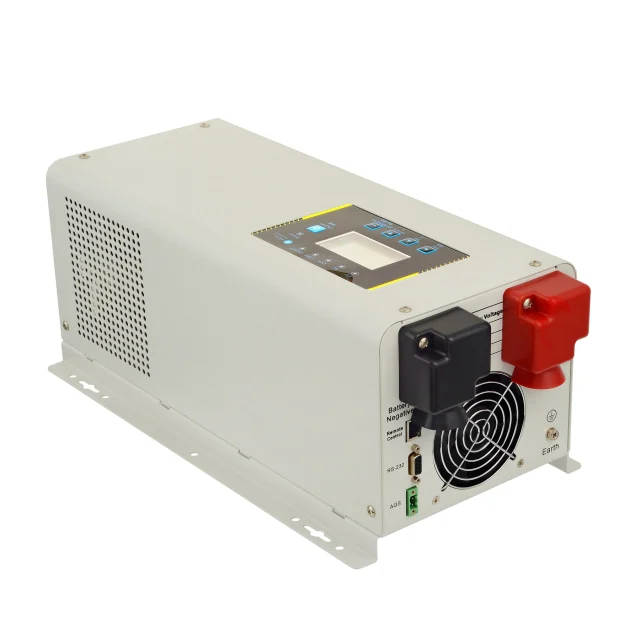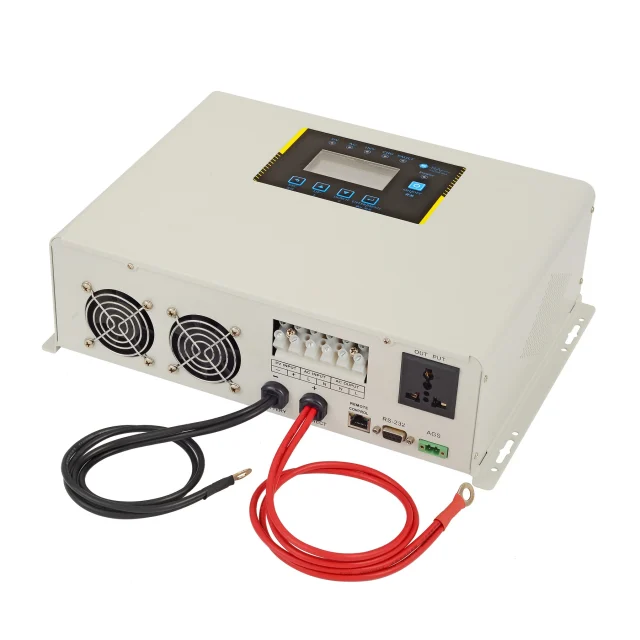
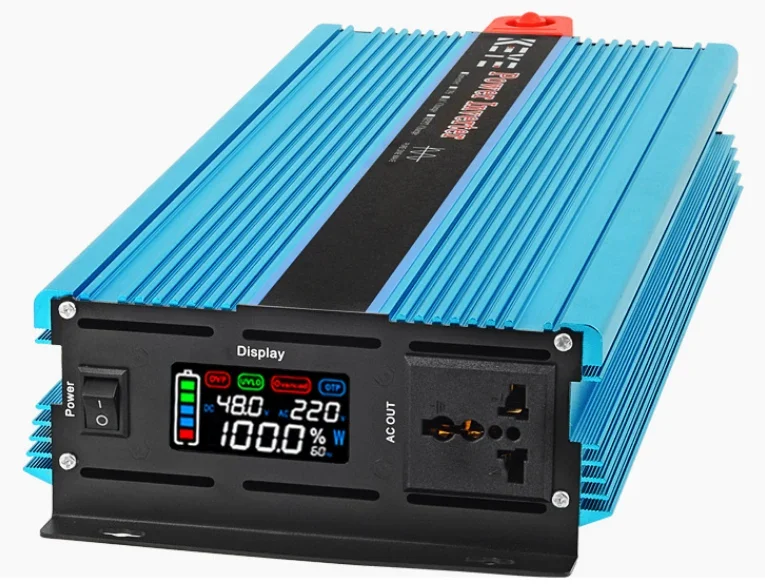
The TCI LCD power inverter range is designed for compact battery-to-AC backup and mobile power packages. Its front display gives users a quick view of operating information, while the range offers different output capacities and DC input configurations for different customer requirements.
What the LCD adds to a compact inverter
A display is useful when a dealer or end user needs a quick operating check without adding external monitoring equipment. Depending on the exact TCI configuration, the display can support practical checks such as input voltage, output condition or fault indication. Buyers should confirm the display layout and supplied version with the quotation because product photos show a configuration example, not every available option.
Match the inverter to the real load
The TCI range includes compact models such as the TCI-350 and TCI-500, as well as higher-rated TCI-1000 and TCI-1500 versions. Select the model from the continuous running load, start-up demand and expected runtime. A larger nominal rating is not automatically the best fit, especially when the battery bank, cabling and protection devices are also being kept compact.
The series uses modified sine wave AC output. It can suit verified loads such as basic lighting, chargers and compatible small office or mobile equipment. Sensitive electronics, audio equipment, some motors and equipment that requires a clean waveform should be checked before a modified sine wave model is selected. For those loads, request a suitable pure sine wave alternative.
Confirm the battery and destination configuration
- Specify the required DC input, such as 12 V or 24 V, before comparing models.
- Confirm AC output voltage, frequency and socket type for the destination market.
- Size the battery cables and fuse for the expected DC current and cable length.
- Allow for conversion losses when estimating battery capacity and runtime.
- Check under-voltage, over-voltage, overload, short-circuit, over-temperature and reverse-polarity protection.
The TCI LCD inverter is a battery inverter rather than a solar charge controller. A solar backup kit therefore needs a separately matched charging system, battery and protection hardware. For a wholesale enquiry, provide the model or target output, battery voltage, load list, AC requirements, quantity and destination country so the exact configuration can be confirmed.