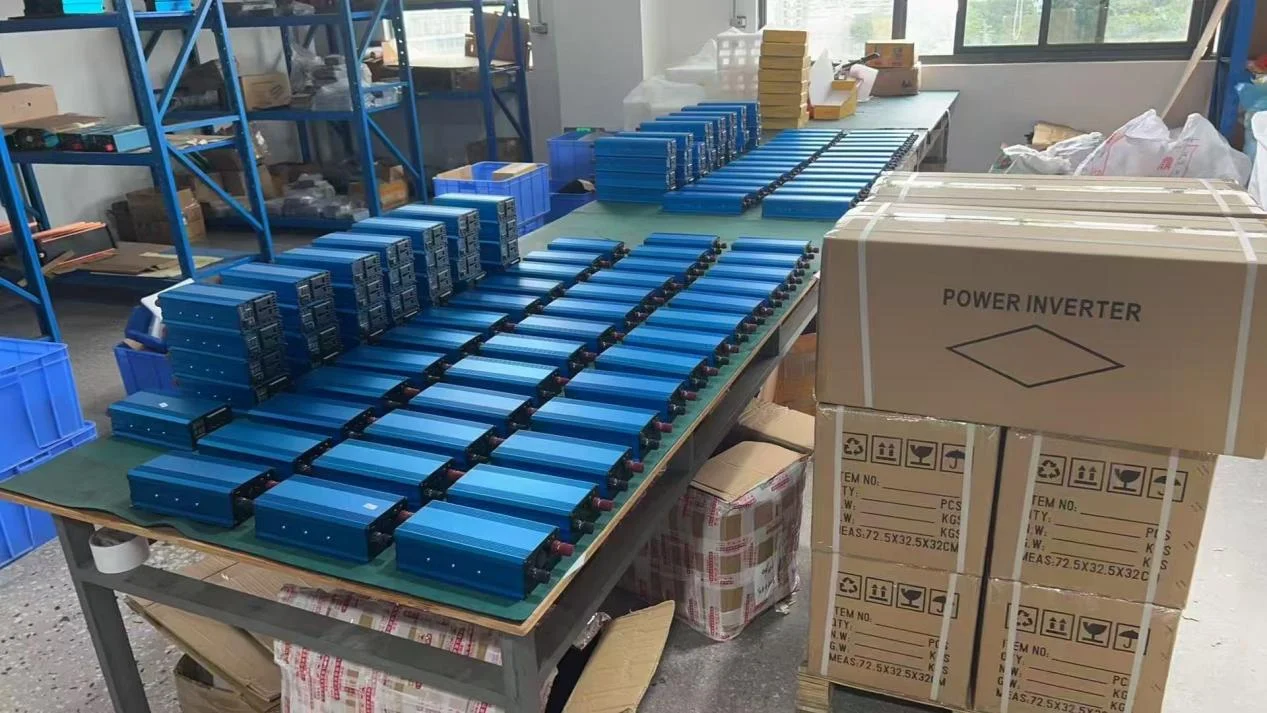
For a solar distributor, stocking is a cash decision first and a warehouse decision second. Every unit on a shelf is money that cannot be spent elsewhere, and a missing unit is a sale lost to a competitor. A good stocking plan balances those two risks: enough of the right models to serve real demand, and no more.
Start from what your customers actually buy
Before adding a new model, look at what has already sold. Installers and small retailers usually come back for the same power bands: small units for lighting and phone charging, mid-range units for shops and small offices, and larger units for whole-site backup. If a model has never been asked for, it does not earn shelf space just because the catalogue lists it. Build the mix around the power bands your customers already request, then add one model that fills a clear gap.
Build the mix in three layers
A practical way to organise stock is three layers. The first layer is the fast movers: two or three models that sell every week and must never run out. The second layer is the steady mid-range: models that sell regularly but not daily, kept in smaller quantities. The third layer is specialist or large units, ordered against a confirmed customer need, not held in depth.
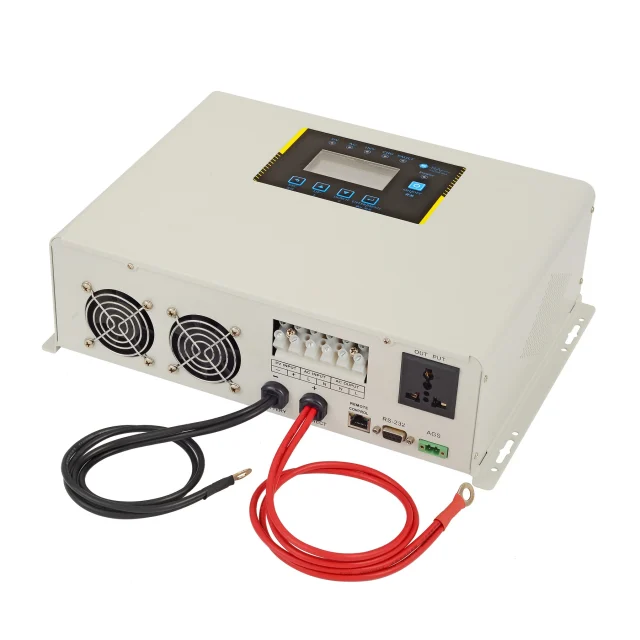
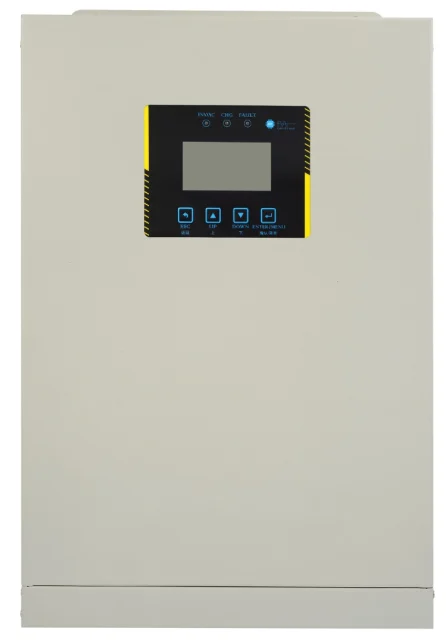
A mid-range unit such as the TDM-Pro-800 800W pure sine wave inverter fits the second layer for many distributors. It offers 800 W of continuous pure sine wave output, with separate numeric displays for battery and AC output voltage and fault-code indication, so installers can check a system at a glance. DC input and AC output are version-dependent (12 / 24 / 48 / 60 / 72 V DC and 110 / 120 / 220 / 230 / 240 V AC), and the 50 Hz or 60 Hz output frequency is confirmed per configuration, so the exact version should be confirmed with the supplier before ordering. At 230 × 112 × 55 mm and 1.1 kg, it is easy to store, ship and carry to a site.
Set levels with reorder points, not guesses
For each stocked model, set two numbers: a reorder point and a target level. When stock falls to the reorder point, place the next order; the target level is the quantity the order brings stock back to. The gap should cover ordering-to-delivery time, plus a small buffer for a busy week. Agree that replenishment time with your supplier in writing, and confirm packaging, voltage version and socket option on every order. A model ordered in a hurry in the wrong voltage version is worse than one that arrives a few days late.
What not to stock
Three habits quietly drain cash. The first is stocking too many near-identical variants of the same power band; customers choose between them slowly and both lines move slowly. The second is holding depth in a model that has sold once or twice; one sale is not a trend. The third is accepting slow stock as part of a bundle deal without a plan to sell it. If a line has not moved for a full selling cycle, cut the price to recover the cash and do not reorder it.
Review the shelf every month
Once a month, list what moved, what did not, and what ran out. Promote what sells, drop what does not, and adjust reorder points to the real pace of sales. A distributor who reviews stock monthly ends the year with fewer dead lines and more cash for the models customers actually want. If you are planning your next order, ask the supplier for current availability and the confirmed configuration of the models on your list — and for the TDM-Pro-800, contact Gerixi with the voltage version, quantity and destination market you need.