Before a solar charge controller reaches a distributor’s warehouse, it passes through placement, soldering, assembly and functional testing. This article follows one model, the SCC-100A, through the Gerixi production line, so buyers can see what stands behind each unit before they order.
Placement and soldering: where controller reliability starts
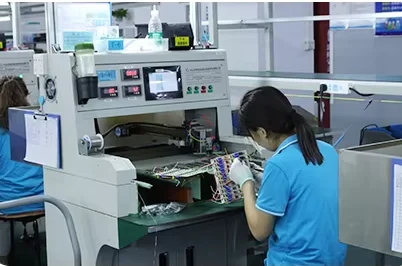
Production starts with the printed circuit board. Placement machines position components on the board, and soldering joins them. Workshop photos from the Gerixi factory show a Samsung pick-and-place machine and YP-300 wave soldering equipment in use on the line. Clean placement and solid solder joints matter because a controller spends its working life switching high currents, and a weak joint can become a field failure months later.
The SCC-100A specification
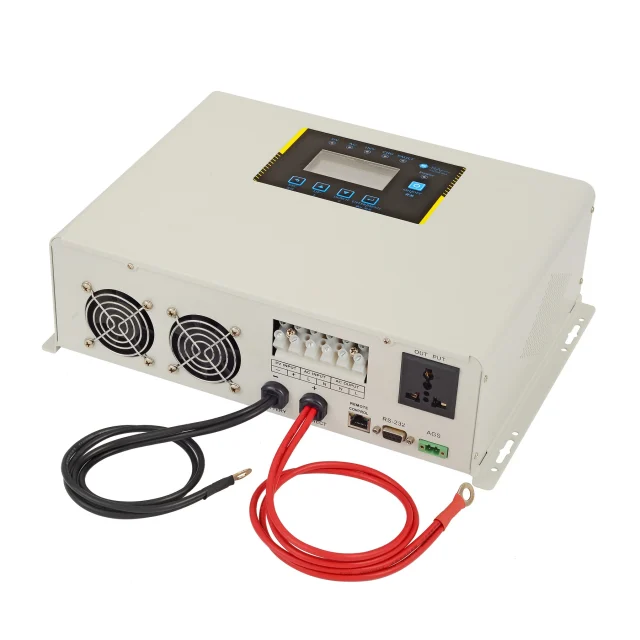
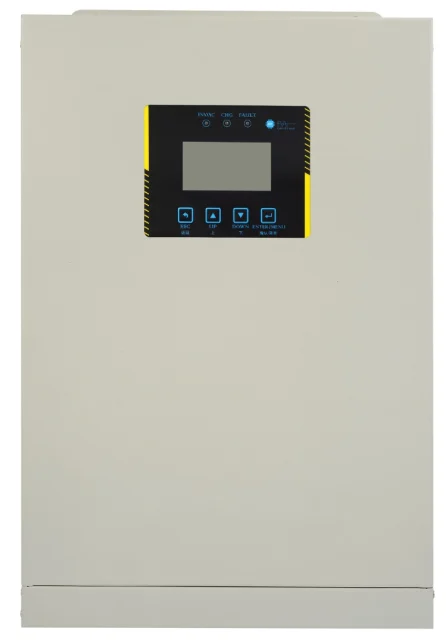
The SCC-100A is a 100 A MPPT solar charge controller with a two-phase interleaved buck topology and LCD parameter settings. Its solar input is rated at 210 V DC, with a 250 V DC maximum, and it supports 12 V, 24 V, 48 V, 60 V, 72 V and 96 V battery systems through a menu setting. It suits lead-acid and lithium batteries with a configurable charging profile. The enclosure measures 340 × 235 × 100 mm and the net weight is 4.9 kg. Assembly brings the board, housing and heatsink together to this specification, and the model, configuration and nameplate should be confirmed with the order.
Functional testing before packing
After assembly, each unit goes through functional testing at a test station. Product functions, controls, displays and protection behaviour are checked according to the selected model, following the factory’s production and testing routine. A unit that does not behave as specified does not move on to packing. For the SCC-100A, buyers should confirm the supplied nameplate, communication interface and configuration with their order, and request the compliance documents covering the exact model.
Packing, labelling and order alignment
Before packing, the team reviews model information, quantities, labels and packaging details, so the products prepared for shipment match the confirmed order. For OEM and private-label projects, the same coordination keeps brand, colour, interface, documentation and packaging requirements connected to the correct model. Gerixi was established in 2010 and combines product development, production, testing, packaging and service for B2B customers.
What distributors should confirm before ordering
Before ordering the SCC-100A, confirm the battery system voltage, the PV array open-circuit voltage against the 250 V DC maximum, the battery type and charging profile, the quantity and destination, and the label and packaging requirements. Pricing, minimum order quantity, lead time and warranty terms are quoted on request, so send the model, quantity and destination and confirm them with sales before ordering.
To discuss the SCC-100A or a wider controller range, see the SCC-100A product page and contact Gerixi with your system voltage, PV array details and expected quantity.