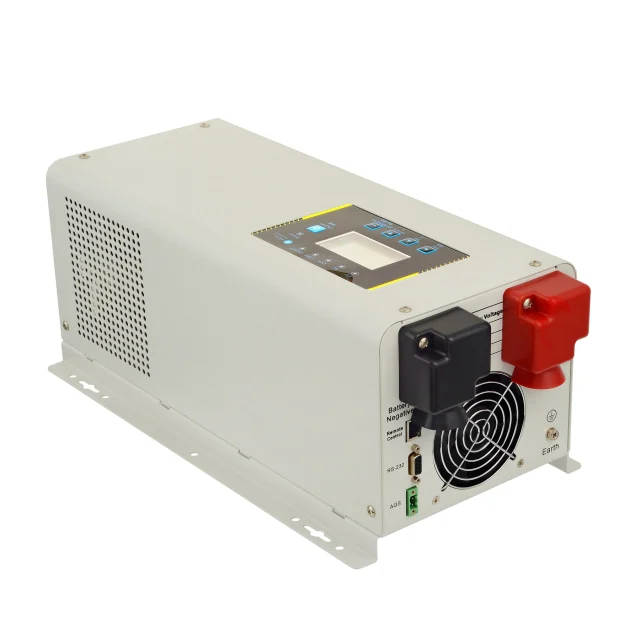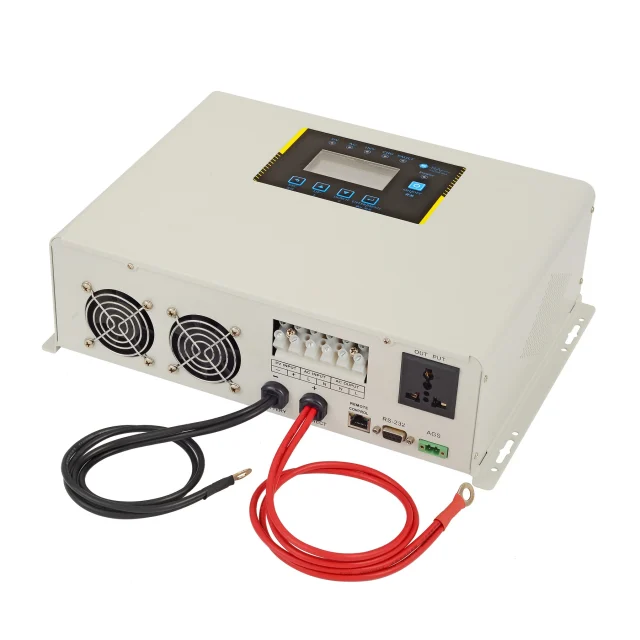
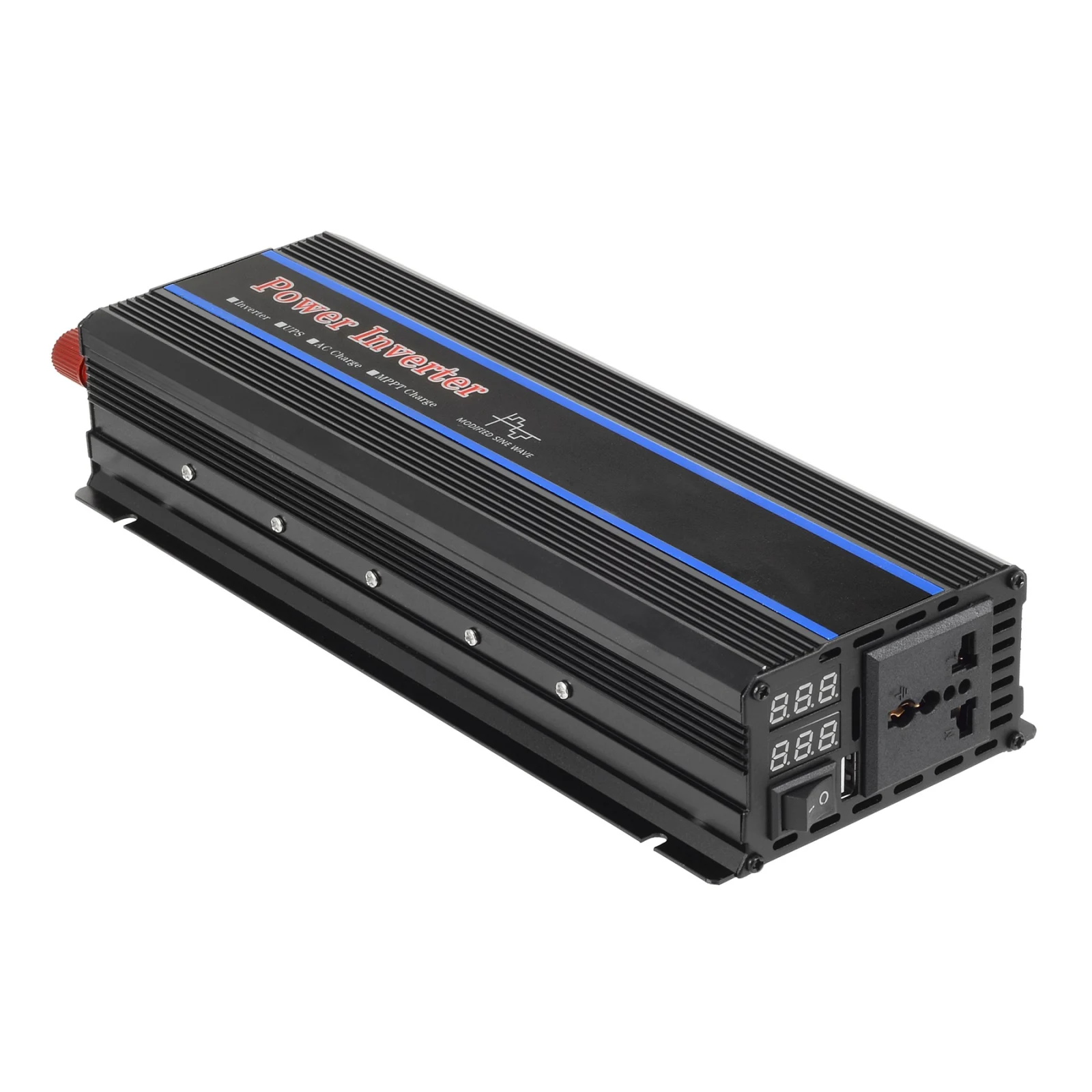
When a solar backup kit needs to support more than basic lighting and mobile charging, buyers often begin comparing inverter models in the 1000W to 1500W range. The TCI-Pro-1500 inverter is a practical option for small home backup packages, outdoor service systems, and distributor product lines that need a stronger AC output point without moving into oversized household inverter systems.
Load Planning Before Model Selection
The first step is to list the real AC loads, their running wattage, and their starting surge. A higher-load solar backup system may include a router, lights, small pump, fan, laptop, communication device, or compact refrigeration load. These products may not all run at the same time, so the final inverter choice should reflect both peak demand and practical daily use.
For B2B orders, clear load planning also helps reduce after-sales questions. If the inverter is sold with suggested battery size, cable size, and solar charge controller range, customers are less likely to oversell the kit or connect unsuitable equipment.
Battery and Controller Matching
A 1500W inverter places more demand on the battery side than a small entry-level unit. The battery bank should be sized for both discharge current and expected backup time. In solar applications, the charge controller must also recover the consumed energy during normal sunlight hours, so panel capacity and controller current rating should be planned together.
- Check continuous load, surge load, and likely simultaneous use.
- Match the battery capacity to real backup time, not only inverter wattage.
- Use proper cable and protection devices to reduce voltage drop and heating.
Why Product Positioning Matters
Inverter customers often compare price, wattage, waveform, protection functions, and appearance at the same time. For a distributor, the TCI-Pro-1500 can be positioned as a higher-capacity solar backup inverter for customers who need more usable AC power while still keeping the system easy to explain and install.
This kind of model is especially useful when building a stepped product range: smaller inverters for basic emergency power, mid-range units for daily backup loads, and larger systems for full household applications. The clearer the range, the easier it becomes for dealers and project buyers to make repeat purchases.
Solar Backup Design Focus
For stable solar backup performance, inverter selection should be discussed together with battery depth of discharge, controller charging efficiency, panel orientation, and local sunlight conditions. A well-balanced system can provide better user experience than a system that simply uses the largest inverter in the catalog.