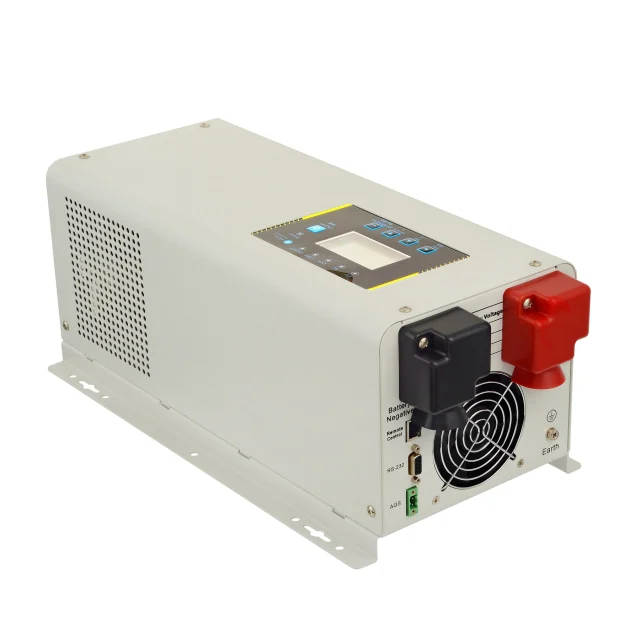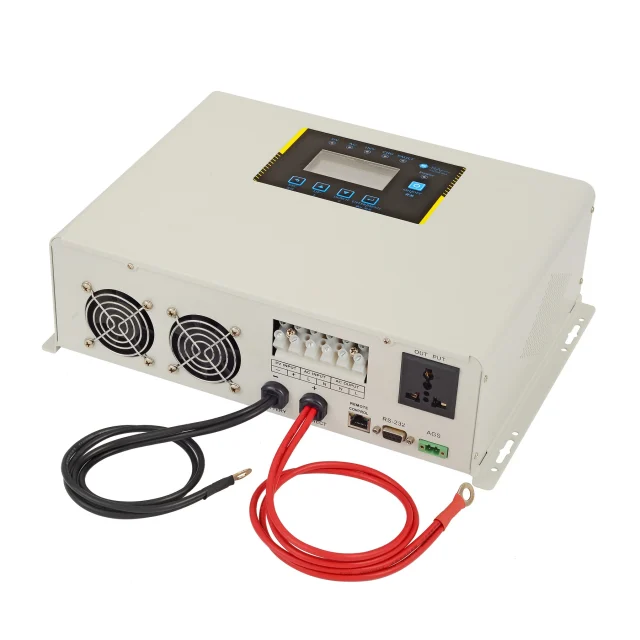
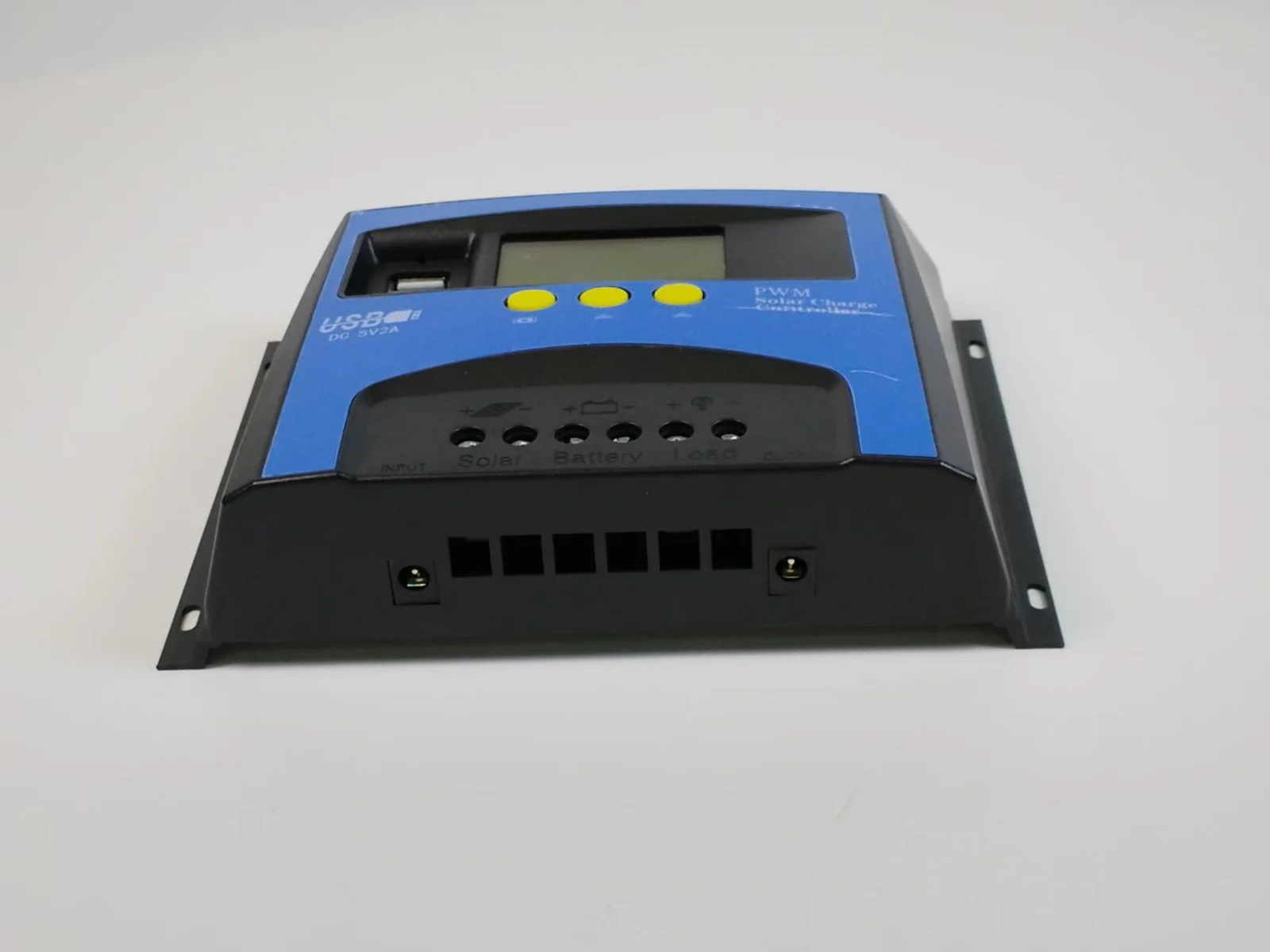
Off-grid solar systems in remote sites often work under difficult conditions: long cable runs, changing sunlight, battery cycling, high temperature and limited local maintenance. A charge controller for this type of system should be selected by application needs, not only by the current rating printed on the label.
Define the Battery Bank First
The controller must match the battery voltage and charging requirements. For 12V and 24V systems, smaller controllers may be enough for lighting, monitoring equipment or compact household loads. For 48V systems, the controller is usually part of a larger battery bank where current, wiring and protection need closer attention.
Battery chemistry also matters. Lead-acid and lithium batteries have different charging profiles, so the controller should support the required charging voltage, float behavior and protection settings. When the battery type is not confirmed, leave room for adjustable parameters.
Size PV Input With Margin
Panel wattage, open-circuit voltage and local temperature affect controller selection. Cold weather can raise PV open-circuit voltage, while strong sun can push the array close to its rated current. A practical design keeps PV voltage within the controller limit and avoids operating at the edge of the rating every day.
For longer cable runs, higher PV voltage can reduce losses, but it must remain inside the controller input range. This is especially important for farm, telecom, security and island applications where maintenance visits are costly.
Choose MPPT for Variable Conditions
MPPT controllers are useful when sunlight changes quickly, panels are installed at non-ideal angles or the system needs better energy harvest from limited panel area. In remote power applications, the extra charging efficiency can improve battery recovery after cloudy days and reduce generator backup time.
A controller with clear display information, temperature compensation, load control and protection functions also helps installers diagnose issues before replacing parts unnecessarily.
Practical Selection Notes
For wholesalers and project buyers, controller selection should include battery voltage, PV array configuration, expected load, cable distance, installation temperature and protection requirements. A controller that is correctly sized at the beginning is easier to install, easier to explain to end users and more stable in daily operation.
Gerixi solar charge controllers are built for practical off-grid and backup systems where reliability, clear wiring and product consistency matter. Matching the controller to the full system design helps each project deliver steadier charging and longer battery service life.