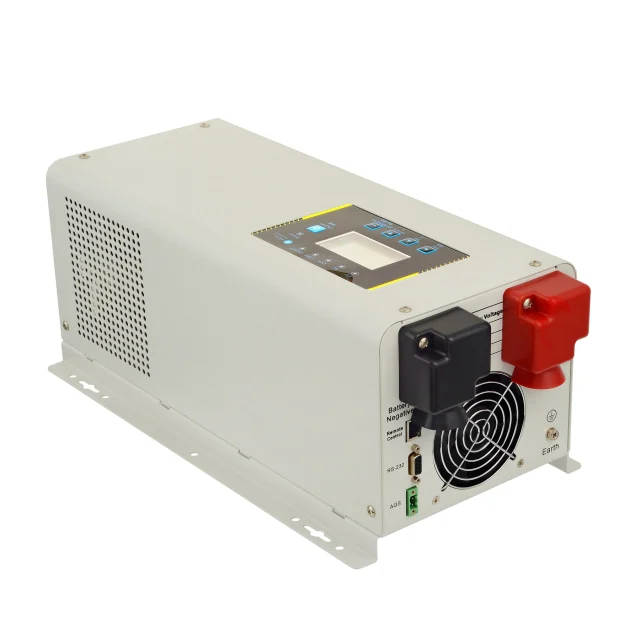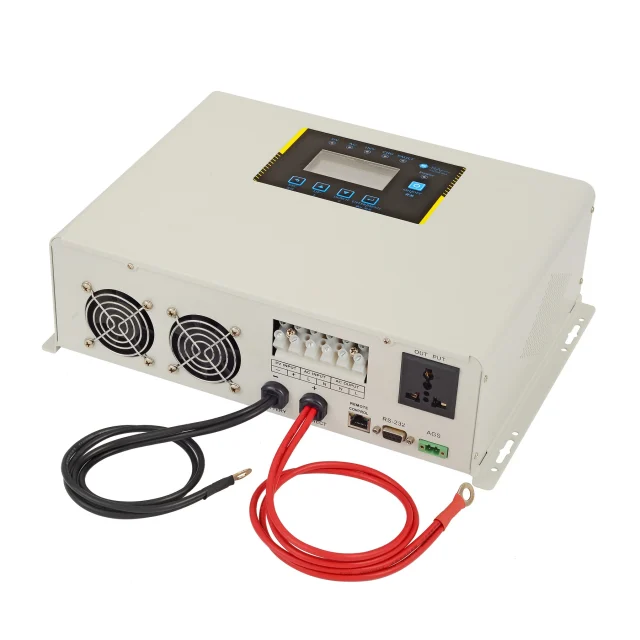
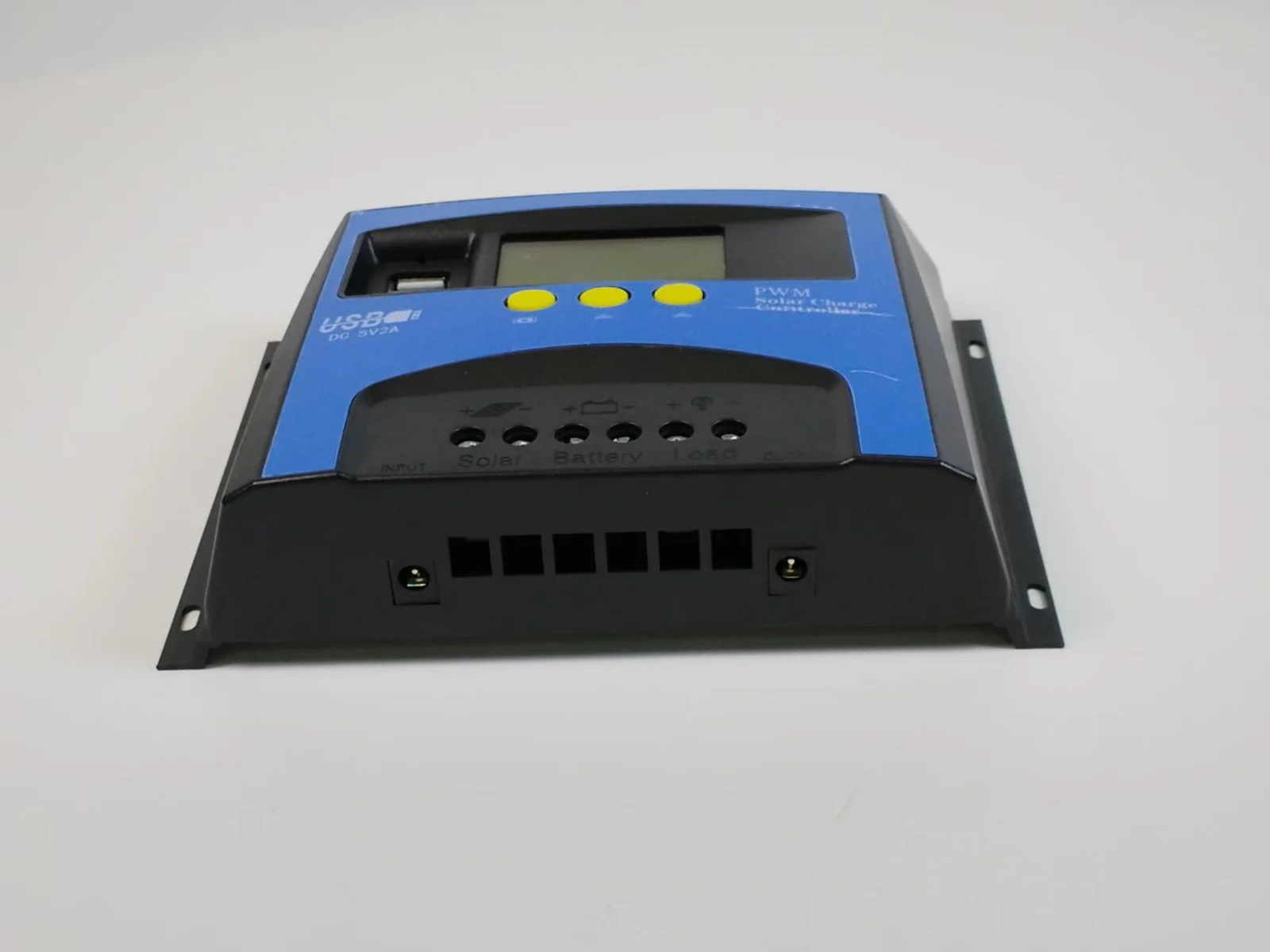
A 48V battery bank is often used when an off-grid solar system needs higher charging efficiency, lower current on the DC side, and better expansion space than a small 12V or 24V setup. For installers, distributors, and project buyers, the solar charge controller becomes one of the key components that decides whether the system can run safely under changing sunlight, battery conditions, and daily load demand.
Why 48V systems need careful controller matching
Compared with smaller battery systems, a 48V solar installation usually handles more PV input power and is more sensitive to correct voltage matching. The controller must support the battery voltage, the PV open-circuit voltage, and the expected charging current with enough safety margin. A controller that is selected only by nominal current may work in mild conditions but become unstable during high irradiance or cold-morning PV voltage peaks.
For this reason, buyers should check three values before confirming a model: maximum PV input voltage, rated charging current, and supported battery type. Lead-acid, gel, AGM, and lithium battery banks may require different charging profiles, so the controller should allow suitable voltage settings or preset battery modes.
MPPT is preferred for larger arrays
MPPT control is especially useful in 48V systems because the PV array voltage is often higher than the battery voltage. A good MPPT controller can convert extra PV voltage into charging current more efficiently than a basic PWM controller. This helps the system harvest more energy in early morning, late afternoon, and cloudy conditions.
For rural backup power, telecom sites, farm equipment, and island power projects, that extra harvest can reduce generator runtime and improve daily battery recovery. When selecting an MPPT controller, it is also worth checking cooling design, terminal size, protection functions, and whether the display gives clear battery and PV status information for field maintenance.
Practical selection checklist
- Confirm the battery bank is 48V and match the controller battery mode.
- Calculate PV open-circuit voltage under the lowest local temperature.
- Keep charging current below the controller rating with a safe margin.
- Use suitable cable size and protection devices on PV and battery sides.
- Check whether the controller supports the battery chemistry used in the project.
A well-matched 48V MPPT solar charge controller can make the whole off-grid system easier to maintain and more reliable for long-term operation. For wholesale buyers, it is better to provide PV module specifications, battery type, battery capacity, and installation environment before model confirmation, so the controller can be matched to the real project instead of only to a catalog current rating.