
Choosing an inverter is easier when the buyer starts from the actual load, battery bank and working environment instead of only comparing wattage on a label. For distributors and installers, the goal is to match the inverter to the devices it will power and the support expectations after delivery.
Where this guide helps
This guide is useful for household backup, mobile power, small shop systems, off-grid cabins and light commercial projects where AC output quality and stable protection behavior matter.
What to confirm before choosing a model
- Confirm DC battery voltage before comparing inverter models.
- List all AC loads and identify motor, compressor or sensitive electronic equipment.
- Compare continuous power and surge power separately.
- Decide whether pure sine wave output is required for the application.
- Check socket type, display layout, protection functions and installation space.
Common mistakes to avoid
- Selecting only by peak wattage and ignoring continuous load.
- Mixing battery voltages without checking model compatibility.
- Using modified sine wave units for equipment that needs cleaner AC power.
- Forgetting cable size and heat dissipation during installation.
How Gerixi Solar supports the decision
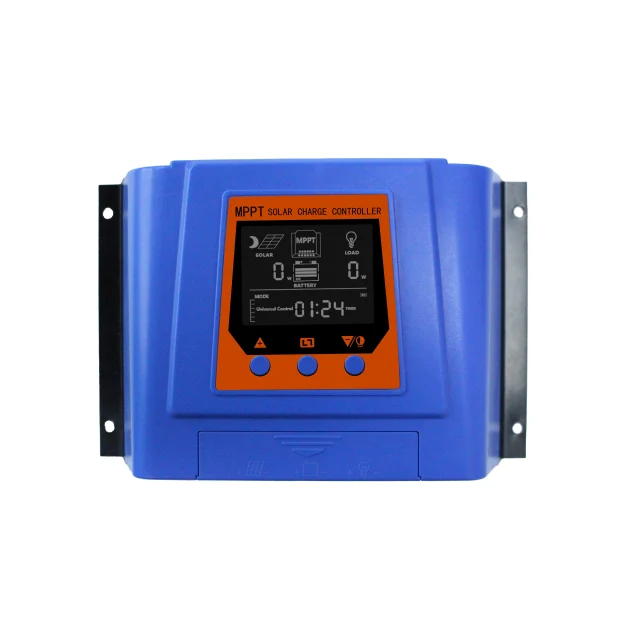
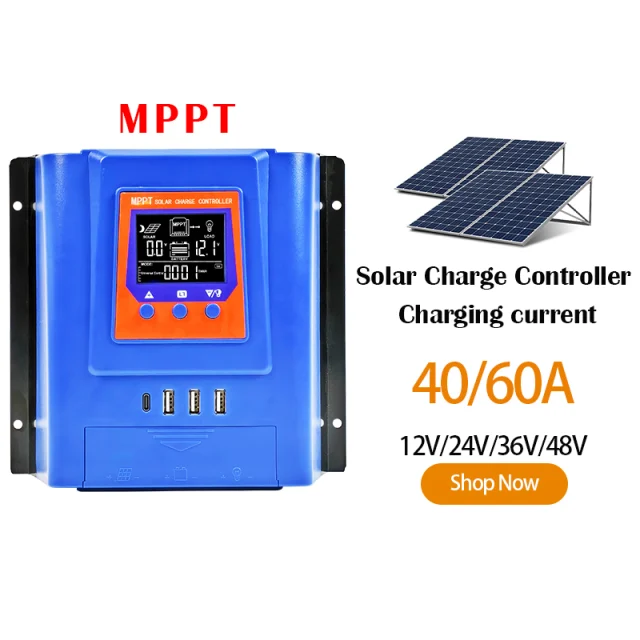
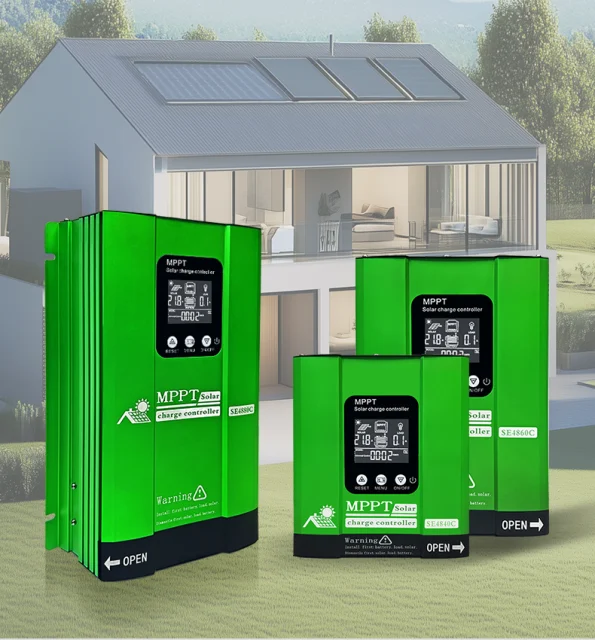
Gerixi Solar product guidance can help buyers compare inverter families, confirm the visible panel layout and prepare model recommendations for repeat applications.
Practical next step
Prepare the load list, battery voltage, expected runtime and destination market requirements before asking for a final model suggestion.