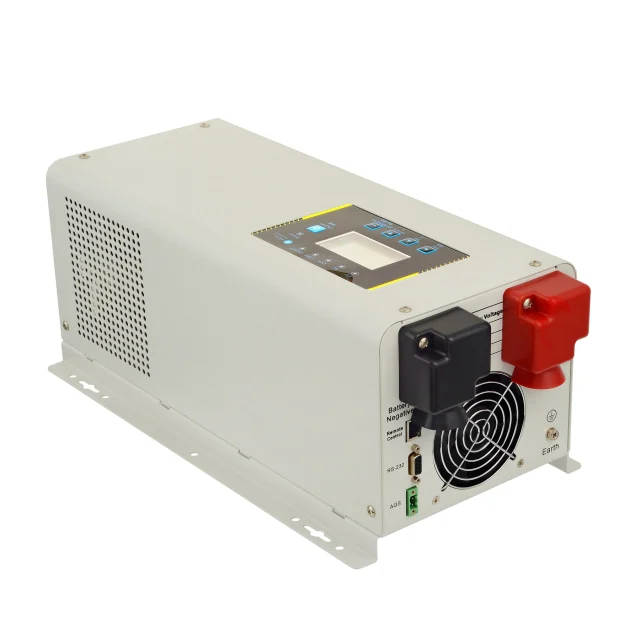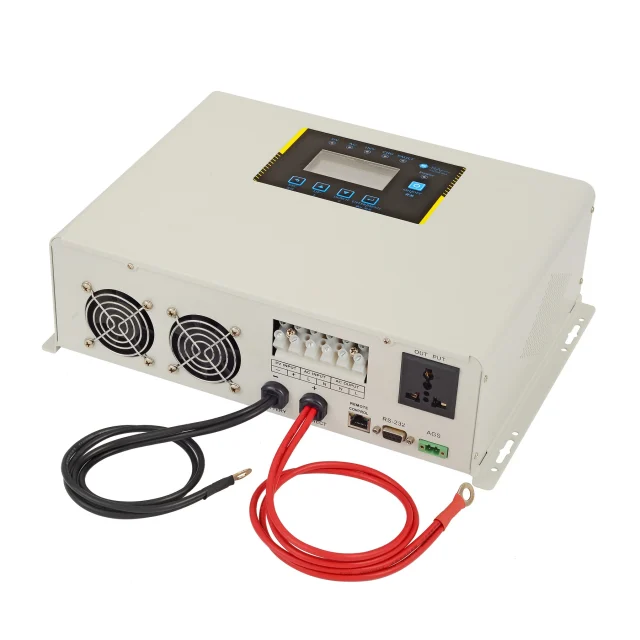
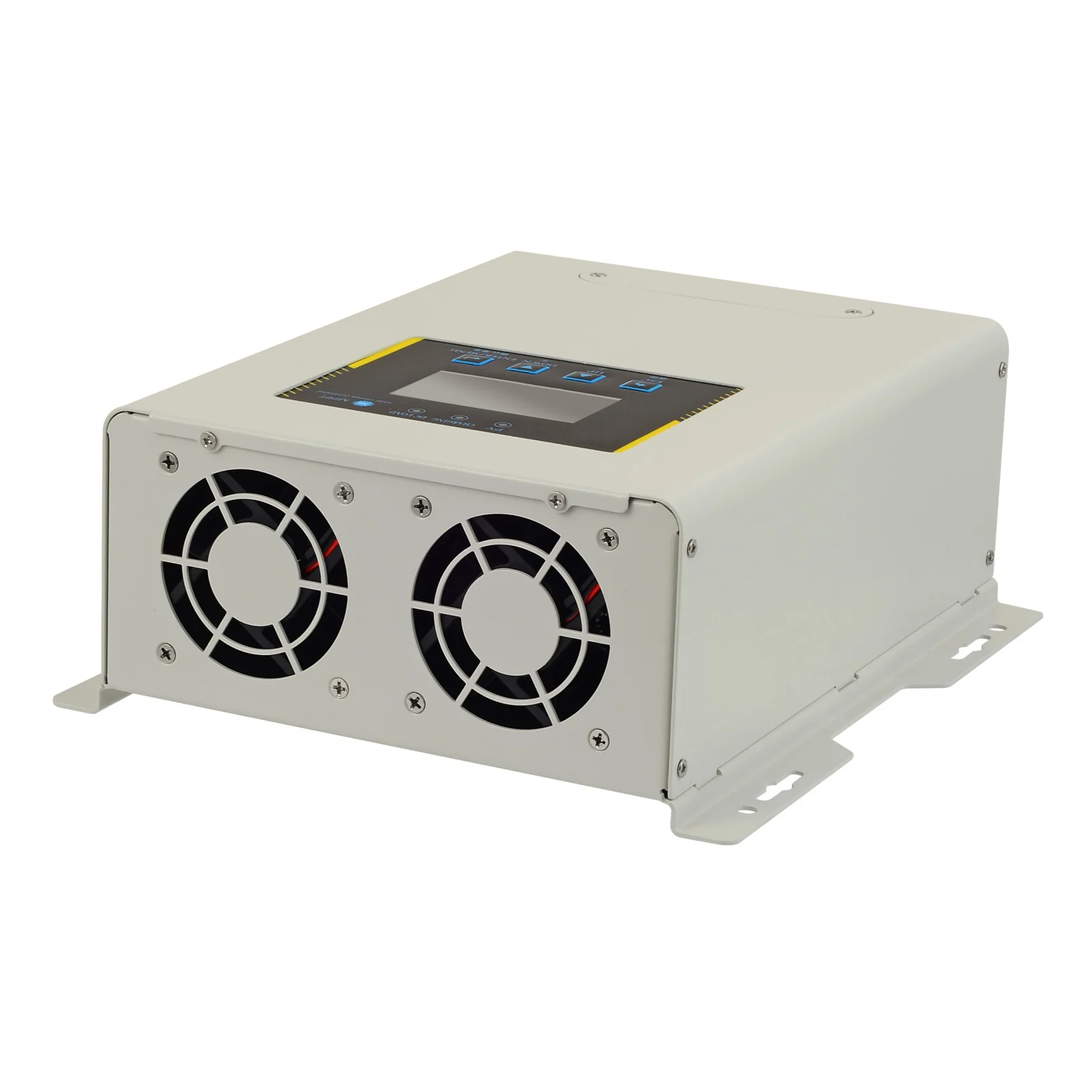
The SCC-60A is a 60 A MPPT solar charge controller for larger battery-based solar systems. Its menu-configurable battery settings cover 12 V, 24 V, 48 V, 60 V, 72 V and 96 V DC, while the three-phase interleaved buck topology and LCD settings provide a more structured control platform for off-grid and battery charging projects.
Select the charging current from the battery limits
The 60 A rating should be considered together with battery capacity, chemistry and the PV array. A larger current rating does not mean that every battery should be charged at 60 A. Set the correct battery voltage and charging profile in the menu, then confirm the maximum current allowed by the battery or BMS.
PV voltage requires a cold-weather check
The product catalog lists 210 V DC solar input and 250 V DC maximum, but that information is not a complete MPPT operating-range table. The PV array should be checked for open-circuit voltage at the lowest design temperature, series and parallel arrangement, allowable array power and the exact model documentation. Staying below the nominal label at room temperature is not enough by itself.
Features for larger off-grid installations
- 60 A rated MPPT charging with a three-phase interleaved buck topology.
- LCD operating data and configurable charging parameters.
- Current-limiting charging mode and listed lithium-battery activation support.
- External temperature-probe support, subject to the supplied accessory configuration.
- Modbus, Bluetooth applet and BMS communication options listed, with interface compatibility to be confirmed.
Communication features should be matched to the actual battery and monitoring platform. Confirm the physical interface and supported protocol before promising BMS integration. The listed protection functions include battery and PV reverse polarity, PV short circuit, charging overcurrent and TVS surge protection, while external fuses, breakers and correct wiring remain part of the installation design.
What to include in a wholesale enquiry
Send the model, PV module data, series and parallel arrangement, battery voltage and chemistry, BMS details, quantity and destination market. Gerixi can then confirm the model-specific PV limits, interfaces, accessories, branding scope, technical documents, lead time and warranty terms.